

Mental illness affects millions of people worldwide, yet it remains one of the most misunderstood health conditions. Misconceptions and stigma often prevent individuals from seeking the support they need, making it even more important to spread accurate information. Understanding mental illness, recognizing the early warning signs, and knowing where to find professional help can improve lives and encourage healthier communities.
Whether you are looking for information for yourself or a loved one, learning about the importance of knowledge about mental illness is the first step toward better mental well-being. With the right education, professional support, and compassionate care, recovery and improved quality of life are possible.
What Is Mental Illness?
Mental illness refers to a wide range of conditions that affect a person’s thoughts, emotions, behaviors, and overall mental well-being. These conditions can interfere with daily life, relationships, work, and physical health. Mental illnesses vary in severity, duration, and symptoms, but many are highly treatable with the right care.
Mental illness is not a sign of weakness or a personal failure. It is a legitimate health condition influenced by biological, psychological, environmental, and social factors. Early diagnosis and appropriate treatment often lead to better long-term outcomes.
Types of Mental Illness
There are many different forms of mental illness, including:
Anxiety Disorders
Anxiety disorders involve excessive fear, worry, or nervousness that affects daily functioning. Many individuals benefit from therapy for anxiety, which provides practical coping strategies and emotional support.
Depression
Depression is more than feeling sad for a few days. It is a serious condition that can affect mood, energy levels, sleep, concentration, and motivation. Seeking depression counseling can help individuals regain emotional balance and develop healthy coping mechanisms.
Bipolar Disorder
This condition involves significant mood changes between emotional highs (mania or hypomania) and depressive episodes.
Obsessive-Compulsive Disorder (OCD)
People with OCD experience recurring unwanted thoughts and repetitive behaviors that interfere with everyday life.
Trauma-Related Disorders
Conditions such as Post-Traumatic Stress Disorder (PTSD) develop after experiencing or witnessing traumatic events and often require specialized therapeutic support.
Symptoms of Mental Illness
Recognizing the symptoms of mental illness early can make a significant difference in successful treatment. Common symptoms include:
- Persistent sadness or hopelessness
- Excessive anxiety or constant worry
- Mood swings
- Withdrawal from family and friends
- Difficulty concentrating
- Changes in eating or sleeping habits
- Low energy or fatigue
- Loss of interest in favorite activities
- Feelings of guilt or worthlessness
- Difficulty managing stress
- Irritability or anger
- Thoughts of self-harm or suicide
Symptoms differ from person to person and should always be evaluated by a qualified mental health professional.
The Importance of Knowledge About Mental Illness
The importance of knowledge about mental illness cannot be overstated. Education helps reduce stigma, encourages early intervention, and promotes empathy toward those experiencing mental health challenges.
When people understand that mental illness is a medical condition rather than a character flaw, they are more likely to support loved ones and seek help without fear or shame. Increased awareness also encourages workplaces, schools, and communities to create healthier environments that prioritize emotional well-being.
Knowledge empowers individuals to recognize symptoms, understand treatment options, and make informed decisions about their mental health.
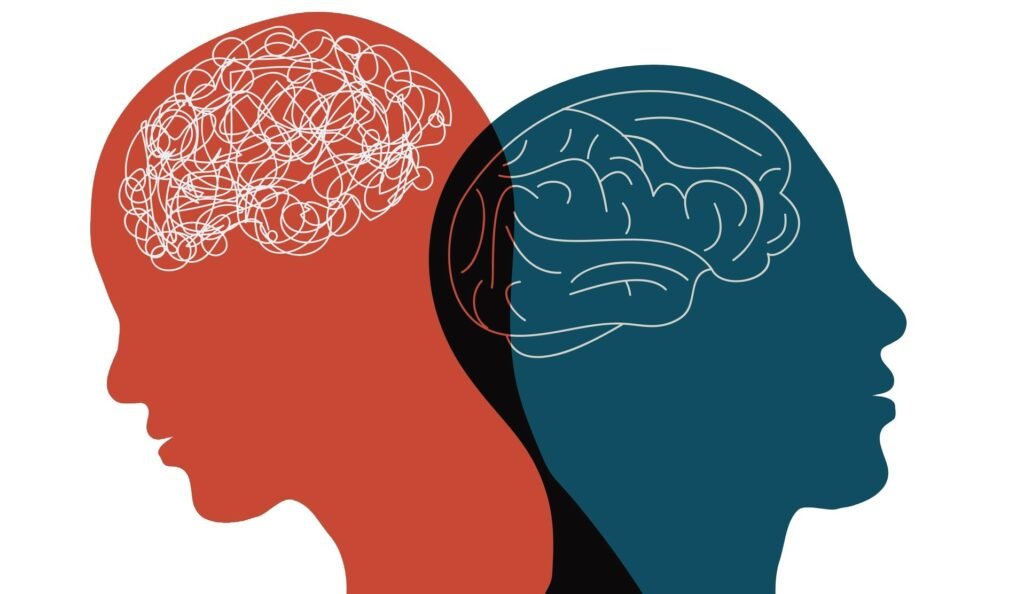
What Happens During a Mental Illness Session?
Many people hesitate to seek therapy because they are unsure what to expect during a mental illness session. A typical session provides a confidential, supportive environment where clients can openly discuss their thoughts, emotions, challenges, and goals.
During the first appointment, the therapist usually gathers information about your medical history, current concerns, lifestyle, relationships, and emotional experiences. Together, you will develop a personalized treatment plan based on your specific needs.
As therapy continues, sessions focus on building healthier coping skills, improving emotional resilience, identifying negative thinking patterns, and creating practical solutions for everyday challenges.
Finding Professional Mental Health Support
If you’re searching online for a mental illness therapy session near me, individual therapy near me, or the best counselor near me, it’s important to choose a licensed and experienced mental health professional.
A qualified therapist for adult clients can provide evidence-based treatments tailored to anxiety, depression, trauma, relationship concerns, grief, and life transitions.
Many counseling centers also offer:
- Professional counseling service
- Stress management programs
- Emotional wellness counseling
- Individual psychotherapy
- Family counseling
- Couples counseling
- Crisis intervention
- Personal development coaching
Choosing the right therapist can significantly improve your emotional health and overall quality of life.

The Role of Therapy in Mental Health Recovery
Therapy provides individuals with the tools needed to better understand themselves and manage life’s challenges.
Some common benefits include:
- Improved emotional regulation
- Better communication skills
- Increased confidence
- Healthier relationships
- Reduced symptoms of anxiety and depression
- Enhanced coping strategies
- Greater self-awareness
- Improved stress management
- Stronger emotional resilience
Whether someone needs therapy for anxiety, depression counseling, or long-term emotional support, professional therapy offers a safe space for healing and growth.
Consulting and Training for Mental Health Awareness
Many organizations now recognize the importance of consulting and training programs that promote mental health awareness in workplaces, schools, and community settings.
These programs help participants:
- Recognize warning signs of mental illness
- Reduce stigma
- Improve communication
- Support colleagues and family members
- Build healthier work environments
- Encourage early intervention
Mental health education benefits both individuals and organizations by creating supportive and psychologically safe environments.
What Are Common Myths About Mental Illness?
Several myths continue to discourage people from seeking help. Here are some of the most common misconceptions:
Myth 1: Mental illness is rare.
In reality, mental health conditions affect millions of people across all ages, cultures, and backgrounds.
Myth 2: People with mental illness are weak.
Mental illness is a medical condition, not a sign of personal weakness or lack of character.
Myth 3: Therapy is only for severe mental illness.
Many people attend therapy to improve emotional wellness, manage stress, strengthen relationships, or navigate life changes.
Myth 4: Mental illness cannot be treated.
Most mental health conditions respond well to therapy, medication when appropriate, lifestyle changes, and ongoing support.
Myth 5: Talking about mental health makes it worse.
Open conversations often encourage healing, reduce isolation, and help people access the care they need.
What Is the Most Important Misconception Surrounding Mental Illness?
Perhaps the most harmful misconception is that people can simply “snap out of” mental illness through willpower alone.
Mental illnesses involve complex biological, psychological, and environmental factors. Recovery often requires professional treatment, consistent support, healthy lifestyle changes, and patience. Seeking help is a sign of strength and self-awareness not weakness.
Recognizing this misconception can reduce stigma and encourage more people to access life-changing mental health services before their symptoms become more severe.
Conclusion
Mental illness is a real and treatable health condition that deserves understanding, compassion, and professional care. Learning about the symptoms of mental illness, recognizing the importance of knowledge about mental illness, and seeking help through professional counseling service, therapy for anxiety, depression counseling, stress management, or emotional wellness counseling can significantly improve quality of life.
If you are searching for a mental illness therapy session near me, individual therapy near me, the best counselor near me, or a qualified therapist for adult mental health support, reaching out to a licensed professional is an important step toward healing.
For additional information about counseling services, therapy options, and mental wellness resources, visit johnhahncounseling.com.