

Technology has transformed almost every aspect of modern life, including the way people seek and receive mental health support. Counselling was once primarily associated with visiting a therapist’s office for a face-to-face appointment. Today, people can connect with qualified professionals through video calls, telephone sessions, secure online platforms, and digital communication tools. This increased accessibility has made counselling more flexible and convenient for many individuals.
As technology continues to develop, people looking for professional counselling near me now have more options than simply visiting a nearby clinic. Online counselling can connect individuals with qualified professionals who may be located outside their immediate area, provided the service is appropriate and complies with relevant professional requirements.
How Technology Is Used in Counselling?
One of the most common ways technology is used in counselling is through online video sessions. A client and therapist can communicate face-to-face using a secure video platform without being physically present in the same location. Telephone counselling is another option, particularly for people who prefer conversations without video.
Technology can also support appointment scheduling, digital assessments, educational materials, and communication between appointments. These tools can make the counselling process more organized and accessible.
For someone searching for a therapy session near me, online services can provide an alternative when travelling to a counselling office is inconvenient. Instead of spending time commuting, clients may be able to attend sessions from a private and suitable location.
However, technology should support not replace the professional relationship between a counsellor and client. Effective counselling still depends on communication, trust, confidentiality, and professional expertise.
Why Do People Access Counselling?
People access counselling for many different reasons. Some individuals seek support when dealing with anxiety, stress, grief, relationship difficulties, work pressure, low self-esteem, or significant changes in their lives. Others may seek guidance because they want to understand themselves better or work toward specific personal goals.
Counselling can provide a confidential environment where people can discuss their concerns with a trained professional. It can help individuals explore thoughts, emotions, behaviours, and patterns that may be difficult to understand on their own.
Importantly, a person does not necessarily need to experience a severe mental health problem before considering counselling. Some people use counselling as a form of self-development and personal growth, while others seek support during particularly challenging periods of life.

Greater Access to Mental Health Counselling Services
One of the major advantages of technology is that it can reduce geographical barriers. Individuals living in areas with limited access to specialists may be able to connect with mental health counselling services online.
Digital counselling can also be helpful for people with busy schedules, mobility limitations, family responsibilities, or transportation difficulties. Flexible appointment options may make it easier for clients to maintain regular sessions.
For people who feel nervous about entering a counselling office for the first time, participating from a familiar environment may also make the experience feel more comfortable. Nevertheless, clients should make sure that they have a private setting where they can communicate safely and confidentially.
Benefits of Having a Professional Therapist
Although technology makes counselling easier to access, professional guidance remains essential. One of the important benefits of having professional therapist support is having an experienced person who can listen objectively and help clients explore their concerns in a structured way.
A professional therapist can use appropriate therapeutic approaches based on an individual’s circumstances and goals. Counselling may help clients develop coping strategies, improve communication, understand emotional patterns, and work toward meaningful changes.
When searching for the best counselor near me, individuals should consider professional qualifications, experience, areas of expertise, confidentiality policies, and whether the therapist’s approach suits their needs. Convenience is useful, but choosing an appropriately qualified professional is equally important.
The Growth of Individual Therapy Online
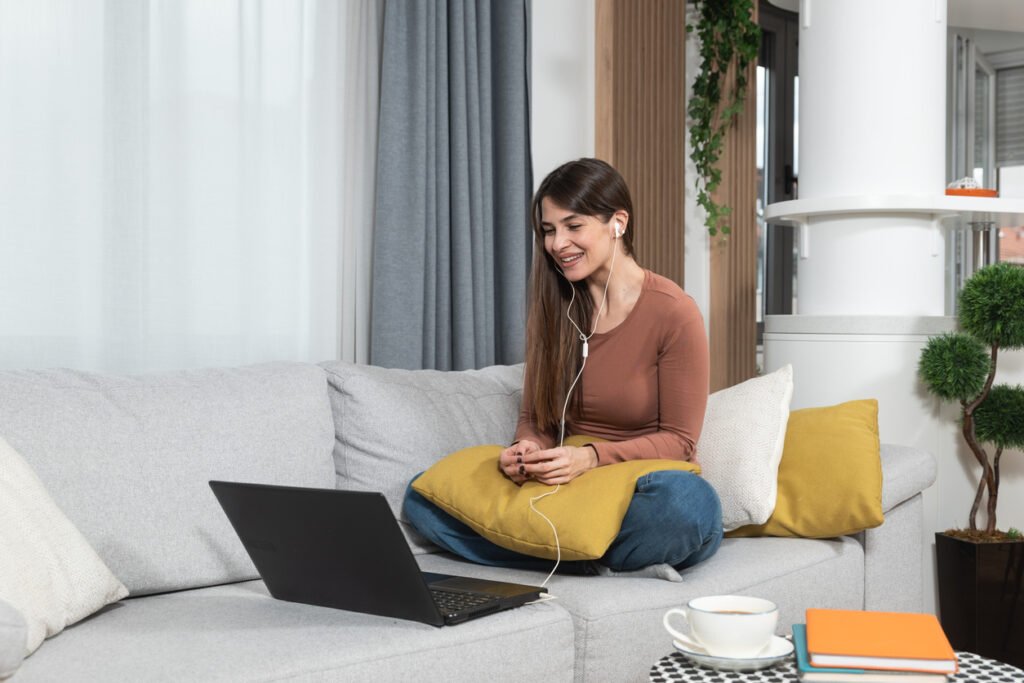
Technology has also expanded access to individual therapy. Instead of always travelling to a traditional counselling office, clients can potentially participate in sessions remotely.
Online individual therapy may offer greater scheduling flexibility while allowing clients to maintain regular contact with their therapist. For some people, this flexibility can make it easier to incorporate counselling into their daily routine.
However, online therapy is not suitable for every situation. A qualified professional can help determine whether remote counselling, in-person therapy, or another form of support is appropriate.
Consulting and Training Through Technology
Technology is not only changing how clients receive counselling; it is also influencing professional development. Consulting and training can now take place through webinars, online workshops, virtual supervision, digital courses, and professional meetings.
Counselling professionals can access educational resources without always needing to travel. This can support continued learning and professional development.
At the same time, counsellors working online need to understand important issues related to confidentiality, informed consent, technology security, professional boundaries, and appropriate communication. Digital counselling requires both technical knowledge and strong professional practices.
Challenges of Technology-Based Counselling
While technology offers many advantages, it also presents challenges. Poor internet connections, limited access to suitable devices, privacy concerns, and technical difficulties can interfere with online sessions.
Some people may also find face-to-face communication more comfortable than virtual interaction. Furthermore, certain situations may require immediate or specialized support that routine online counselling cannot provide.
For these reasons, technology should be viewed as an additional way of accessing counselling rather than a universal replacement for traditional services.
The Future of Counselling
The future of counselling is likely to involve a combination of digital and traditional approaches. Technology can make professional support easier to access while giving clients greater flexibility in how and where they communicate with their therapist.
As digital services continue to evolve, the focus should remain on providing safe, confidential, professional, and client-centered care. Whether someone is seeking help with a specific challenge, exploring individual therapy, or working toward personal growth, technology can help make the process more accessible.
Conclusion
Technology is changing the way people access counselling by reducing geographical barriers and providing flexible options for communication. Video counselling, telephone sessions, online resources, and digital professional training have created new opportunities for both clients and counsellors.
However, technology is only one part of effective counselling. The experience, qualifications, confidentiality, and professional relationship provided by a trained therapist remain essential. People considering counselling should choose a service that matches their individual needs and circumstances.
For more information about counselling and professional support, visit johnhahncounseling.com.