



How Family Experiences Can Shape Emotional Responses Emotional habits do not develop in isolation. From an early age, our relationships influence how we understand stress, uncertainty, and responsibility. You may have grown up in a family where everyone worried about what might happen next. Perhaps disagreements created tension, or you learned to pay close attention to other people’s moods. Some people become highly responsible at a young age. Others learn to avoid conflict or seek reassurance when they feel uncertain. While these experiences do not explain all forms of anxiety, they can help clarify certain emotional patterns. My approach draws on Bowen Family Systems thinking, which helps explain how family relationships can shape how we respond to stress throughout life. We may examine why certain interactions leave you feeling unsettled, why you take on responsibility for other people’s emotions, or why setting boundaries feels difficult. This process is not about assigning blame or finding someone responsible for your anxiety. It is about understanding how your experiences have shaped you and determining whether your familiar responses remain helpful.


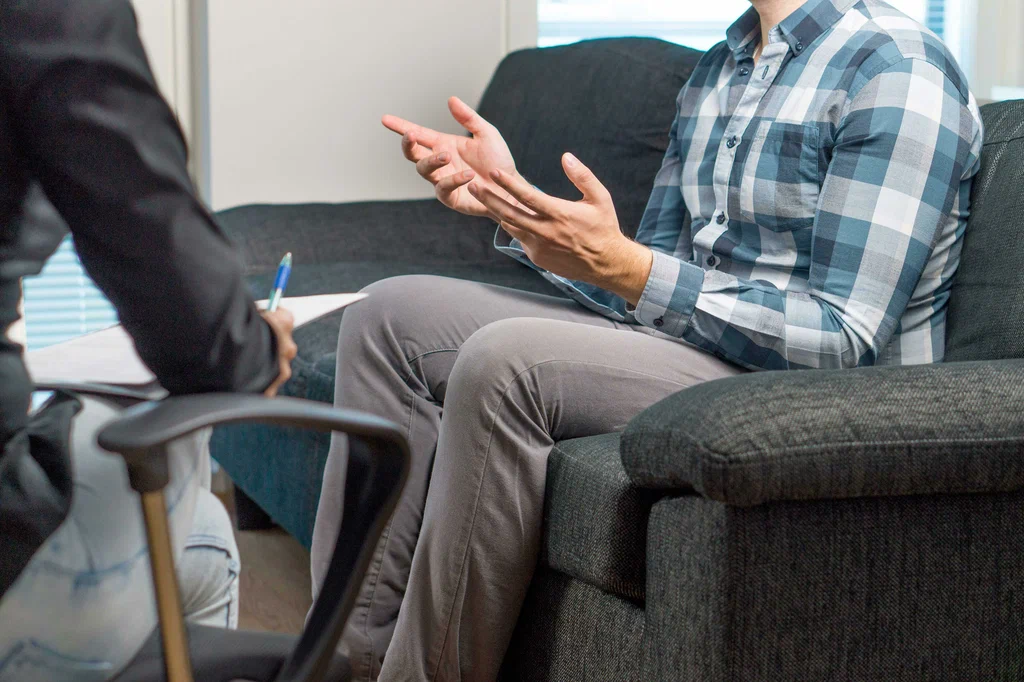
Counseling can help you understand the thoughts, emotional responses, and situations connected to your anxiety. Together, we explore how you react to stress, uncertainty, and relationships so you can develop healthier ways to respond to worry and difficult emotions.
Consider therapy if anxiety affects your sleep, concentration, relationships, work, or daily decisions. You do not need to wait until symptoms are severe. If you spend significant time worrying or struggle to feel at ease, speaking with a therapist may help.
During sessions, I will ask about your concerns, listen to your experiences, and help you explore situations that trigger anxiety. We may examine your emotional responses, relationships, and recurring thoughts. You are welcome to bring questions or observations from daily life. Our conversations will proceed at a manageable pace.
Yes. Therapy can help you recognize when problem-solving becomes repetitive worry. We may explore why uncertainty feels uncomfortable, why you replay situations, or why you feel responsible for outcomes beyond your control. Understanding these patterns can help you respond more thoughtfully instead of staying stuck in the same cycle.
My approach draws on Bowen Family Systems thinking and Attachment Theory. I help you explore how relationships, past experiences, and emotional habits may influence your anxiety so you can understand your reactions and respond differently.
Yes. Family and relationship experiences can shape how we handle stress, conflict, expectations, and uncertainty. For example, someone who learned to avoid disagreement may experience significant anxiety during difficult conversations. While these patterns are not the sole cause of anxiety, understanding them can help you respond more effectively in therapy.
I typically recommend weekly sessions for the first few weeks to understand your concerns and establish consistency. Afterward, some clients choose to meet every other week. We will discuss a schedule based on your needs, progress, and availability.
You can contact me directly at 360-844-9168 or johnhahncounseling@gmail.com. I offer a complimentary 30-minute consultation by phone or in person to discuss your concerns, answer questions, and determine if my approach is a good fit.
Living with anxiety can be exhausting. You may feel tired of second-guessing decisions, replaying conversations, or feeling responsible for everything around you. You may have tried to manage these feelings on your own and are now considering whether a different approach could help. You don’t need to have all the answers before starting therapy. Often, the most helpful starting point is to become curious about why certain thoughts and feelings persist. If you are considering anxiety counseling in Camas, WA, I welcome the opportunity to hear about your experiences and discuss how we might work together.